


How to Use QR Codes for Product Registration
Short Answer:
Brands now use QR codes for product registration to offer customers a quick, mobile-friendly experience. By scanning a QR code on packaging or manuals, users can instantly register their product—boosting warranty claims, customer support, and brand loyalty.
📦 Why Product Registration Matters
Product registration isn’t just about warranties—it’s a powerful tool to:
Collect customer contact info
Offer personalized support
Unlock cross-sell opportunities
Send safety updates or recalls
Increase post-purchase engagement
However, many customers ignore traditional registration forms. That’s where QR codes make a huge difference.
📲 How QR Codes Simplify Product Registration
By placing a QR code on packaging, instruction manuals, or receipts, customers can:
Instantly access a registration form via mobile
Enter fewer fields (autofill supported)
Submit info within seconds—no laptop required
This user-friendly approach dramatically increases registration rates and boosts customer satisfaction.
🧠 Benefits of Using QR Codes for Registration
✅ Seamless Mobile Experience
No more typing long URLs—just scan and go.
✅ Increased Participation
More users complete registration when it takes less than 1 minute.
✅ Better Data Collection
Capture real-time data on who’s buying and where.
✅ Warranty Automation
Linking product serial numbers to customer profiles speeds up support and warranty verification.
✅ Ongoing Engagement
Follow up with personalized content, upsells, how-to guides, or review requests.
🚀 Why Use QuitURL for Product Registration QR Codes?
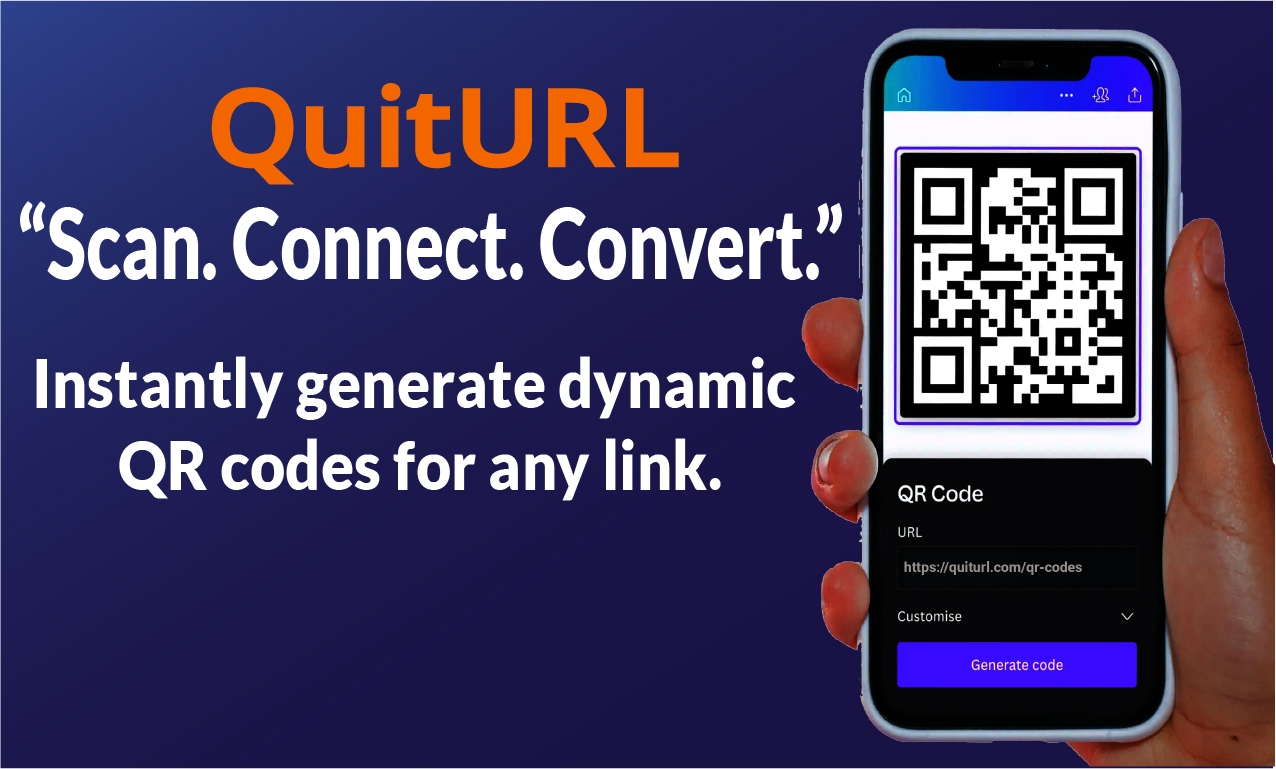
QuitURL.com makes it easy for brands to create secure, branded, and data-rich QR codes for product registration.
🛠️ Key Features:
🔗 Custom short links (e.g., yourbrand.to/register)
🖼️ Fully branded QR codes with logos, color themes, and frames
🧭 Audience targeting (by location, device, language)
🛡️ Secure, editable links (update form URL anytime)
📊 Advanced analytics (track scans, completion rates, sources)
🔁 Lifetime plan options for product-heavy businesses
Whether you sell electronics, home appliances, baby products, or sports gear—QuitURL helps you simplify registration and grow loyalty.
🧰 Example Use Case: Electronics Brand
A smart home company prints QR codes on their product boxes labeled “Scan to Activate Warranty.”
Customers scan the QR code using their phone
The link opens a branded short URL leading to a registration form
After submission, customers get an email with warranty details and a coupon for future purchases
Result? Higher registration rates, better support records, and more repeat business.
💡 Best Practices for Product Registration QR Codes
Place QR codes in multiple locations: packaging, manuals, invoices
Use a strong CTA: “Scan to Register Your Product”
Keep the form short and mobile-optimized
Test the scan experience across devices
Offer incentives (discounts, loyalty points) to encourage participation
🏁 Final Thoughts: Upgrade Your Registration Flow with QR Codes
Product registration is no longer optional—it’s a key part of building customer trust and support. With QR codes, you simplify the process and open the door to deeper customer relationships.
👉 Ready to power your product registration with branded QR codes? Start with QuitURL.com—secure, trackable, and built for modern brands. Try it free today!