


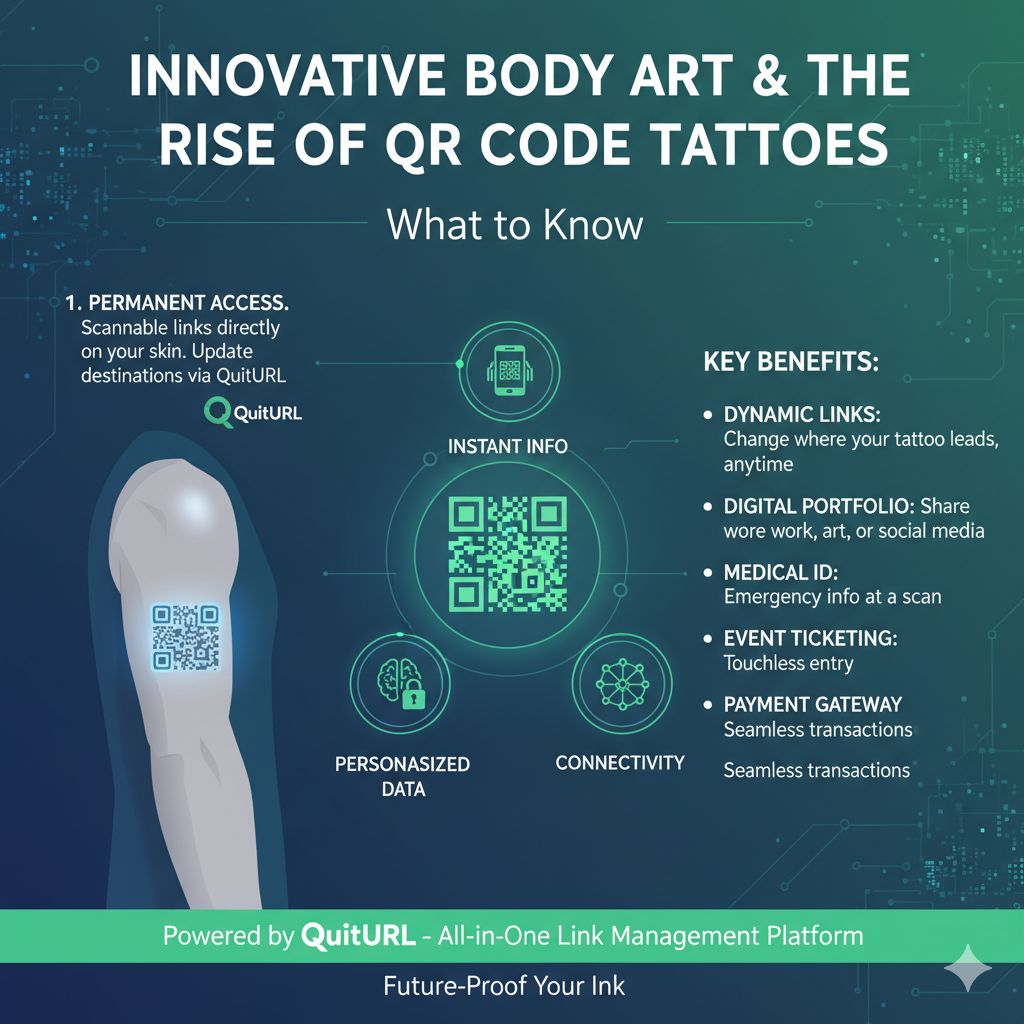
Body art has evolved tremendously over the years, merging creativity, technology, and personal expression in ways we could have never imagined. One of the most intriguing modern trends is the QR code tattoo – a unique fusion of art and digital connectivity. Unlike traditional tattoos, QR code tattoos can link to websites, portfolios, social media profiles, or even personal messages. This innovative form of self-expression allows wearers to literally carry their digital presence on their skin, making body art interactive and highly functional. In this article, we’ll explore what QR code tattoos are, their practical uses, how to create them, and the best practices to follow.
What is a QR Code Tattoo?
A QR code tattoo is a tattoo that incorporates a QR (Quick Response) code within the design. These barcodes are scannable by smartphones and can instantly direct someone to a specific website, video, social media page, or any other online content.
Unlike standard tattoos that serve purely decorative or symbolic purposes, QR code tattoos combine artistic creativity with digital functionality. For example, an artist may embed a QR code tattoo in a sleeve design, while a business professional could use it as a personal branding tool linking to their portfolio.
Potential (and Practical) Uses for QR Codes
QR code tattoos are not just visually striking; they have numerous practical applications:
- Personal Portfolios – Artists, photographers, and creators can link their QR tattoo directly to their portfolio, making it easy to showcase their work.
- Business Cards on Skin – Entrepreneurs and freelancers can use QR tattoos as digital business cards that others can scan instantly.
- Social Media Profiles – Link to Instagram, LinkedIn, or TikTok to make networking more interactive.
- Event or Ticketing Links – QR tattoos can act as a creative way to share event information, RSVP forms, or ticket links.
- Medical and Emergency Info – Some individuals use QR tattoos for critical health information, allergies, or emergency contacts.
- Personal Messages or Art Projects – These tattoos can link to hidden messages, stories, or unique online projects.
The versatility of QR code tattoos is what makes them increasingly popular in both personal and professional spheres.
How to Create a QR Code for a Tattoo
Creating a QR code tattoo requires a combination of digital and design considerations. Here’s a step-by-step guide:
- Decide the Link or Content – Choose whether your QR code will link to a website, social media profile, video, or another type of digital content.
- Use a Reliable QR Code Generator – Platforms like QuitURL allow you to create high-resolution, customizable QR codes. QuitURL ensures that the QR code works flawlessly and can track scans if needed.
- Test the QR Code – Before finalizing, scan the code multiple times to ensure it directs correctly.
- Consider the Tattoo Size and Placement – QR codes need to be large enough to scan easily, and placement on flat or less-flexible body areas is recommended.
- Work With a Professional Tattoo Artist – Share the QR code file with an experienced tattoo artist to ensure precision and proper detailing.
What to Consider Before Getting a QR Code Tattoo
Before committing to a QR code tattoo, there are important factors to consider:
- Scan Reliability – QR codes must be precise. A tiny error in tattoo lines could make the code unreadable.
- Longevity of Tattoo – Tattoos can fade over time, which might affect the scannability. Touch-ups might be necessary.
- Privacy Concerns – Be mindful of what information your QR code links to, especially if it’s publicly accessible.
- Design Integration – Consider incorporating the QR code into a larger artistic design to make it visually appealing while functional.
- Body Area – Flat surfaces like the forearm, upper arm, or back are ideal; curved areas might distort the QR code.
Best Practices for QR Code Tattoos
To ensure your QR code tattoo is both functional and visually stunning, follow these best practices:
- High Contrast Design: Use black ink on light skin for optimal scanning.
- Size Matters: Keep the QR code at least 2 inches in width/height to ensure reliability.
- Regular Testing: Test your tattoo periodically to make sure the code remains scannable over time.
- Integration With Art: Blend the QR code with surrounding designs to create an aesthetic balance.
- Use Dynamic QR Codes: Platforms like QuitURL allow you to update the destination link even after getting the tattoo, ensuring longevity and flexibility.
Merge Digital Innovation With Artistic Expression Using QuitURL QR Codes
QuitURL is a top-tier QR code generator that empowers users to create stylish, scannable, and dynamic QR codes suitable for tattoos. With QuitURL, you can:
- Customize QR code design to match your tattoo style
- Generate high-resolution QR codes perfect for tattooing
- Use dynamic links to update content without altering the tattoo
- Track scans and analyze engagement for marketing or personal purposes
By leveraging QuitURL, your QR code tattoo isn’t just static art; it becomes a living digital experience.
Why QuitURL is the Best QR Code Generator
- Ease of Use: Create QR codes in minutes with a simple, intuitive interface.
- Customization Options: Adjust colors, logos, and patterns to complement tattoo designs.
- Dynamic Links: Change destinations without modifying the tattoo.
- Advanced Analytics: Track scans to understand engagement.
- Security: Secure your links with password protection and expiration options.
QuitURL bridges the gap between digital innovation and personal expression, making it the ultimate tool for QR code tattoo enthusiasts.
FAQs
Q1: Can all QR codes be tattooed?
A: Technically yes, but simpler, less complex QR codes work best to ensure scan accuracy.
Q2: Will a QR code tattoo remain scannable forever?
A: Over time, tattoos can fade. Using dynamic QR codes and touch-ups can maintain scannability.
Q3: How big should a QR code tattoo be?
A: At least 2 inches by 2 inches is recommended to ensure reliable scanning.
Q4: Can I track who scans my QR code tattoo?
A: Yes, with dynamic QR codes from platforms like QuitURL, you can track scans and analytics.
Q5: Is it safe to link personal information in a QR code tattoo?
A: Use discretion. Publicly accessible info should be limited; sensitive data should be protected.
Conclusion
QR code tattoos are a revolutionary way to combine artistic self-expression with digital connectivity. They offer endless possibilities for personal branding, interactive art, and creative storytelling. With platforms like QuitURL, creating and customizing QR codes has never been easier, reliable, or more stylish. If you’re considering a tattoo that merges the digital world with body art, QR code tattoos represent a perfect fusion of innovation and creativity.